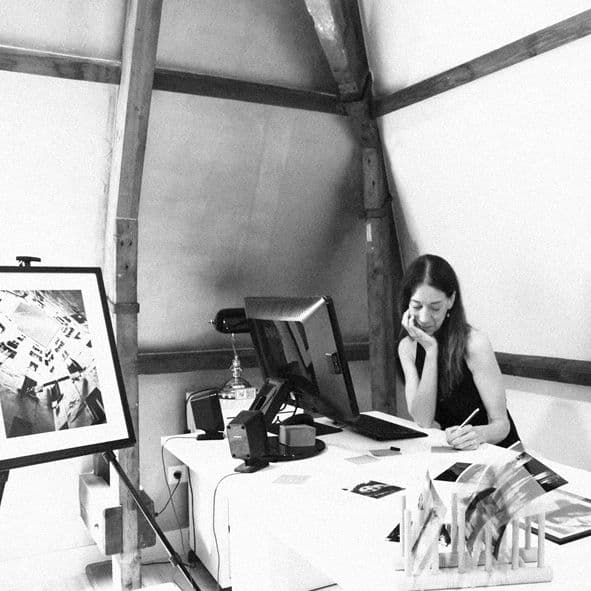
Andrea Lobel
Dutch visual artist Andrea Lobel builds her practice around a deep investigation of the tension between order and chaos. Her work unfolds through two distinct yet complementary mediums: photography, where she seeks to capture the elusive, and screen printing, which allows her to embrace expressive disorder. Together, they offer a quiet meditation on time, impermanence, and the fragile poetry of fleeting moments.
Born in The Hague, Lobel brings a unique background that profoundly shapes her artistic approach. With a Master of Science in developmental psychology from Leiden University, she cultivates a sharp sensitivity to emotion, human behaviour, and subtle, almost imperceptible gestures. Her practice began with an intimate impulse: documenting “the emerging life of [her] children.” What started as a personal attempt to preserve delicate moments gradually evolved into a broader conceptual exploration of perception and time.
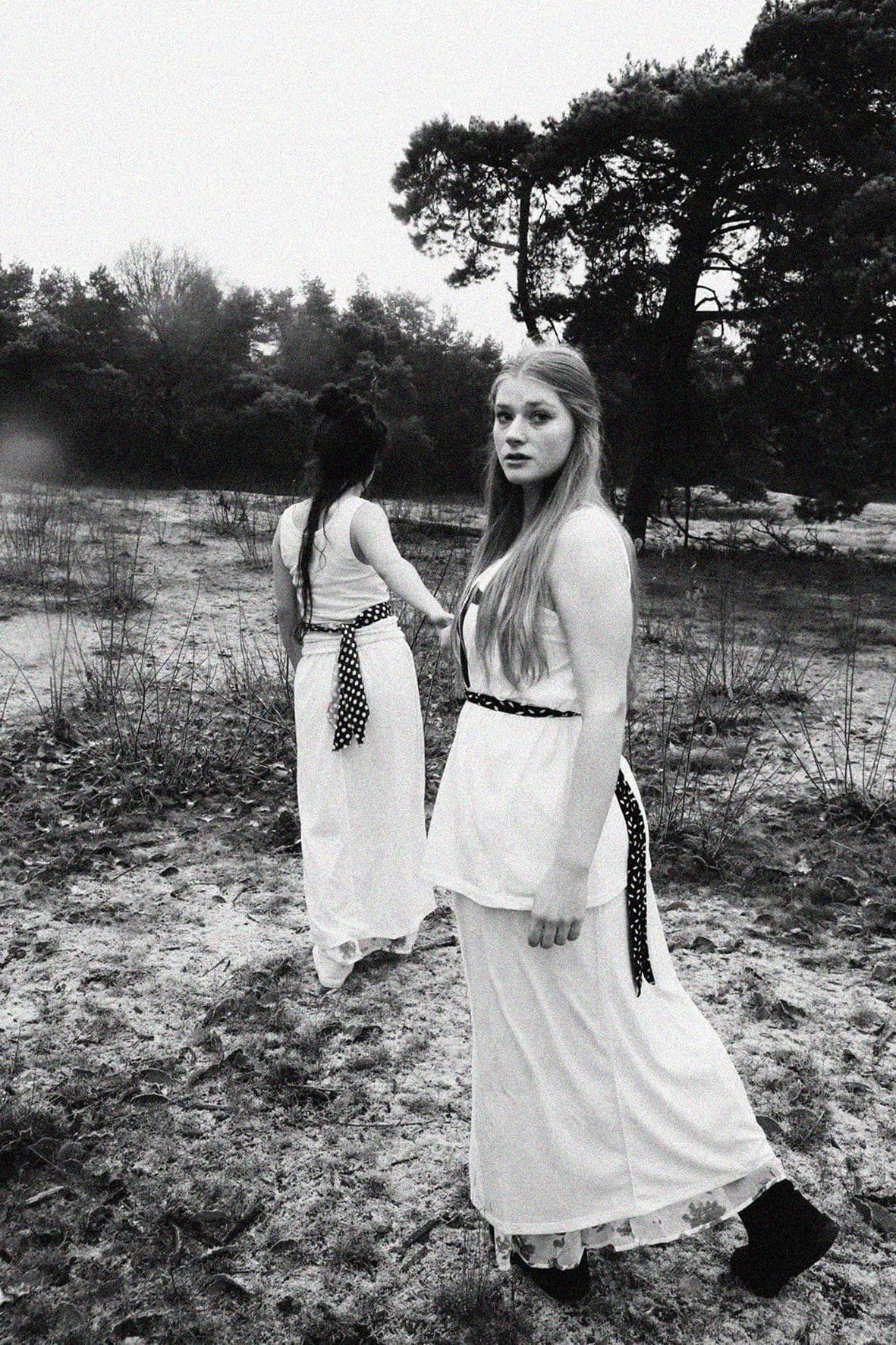
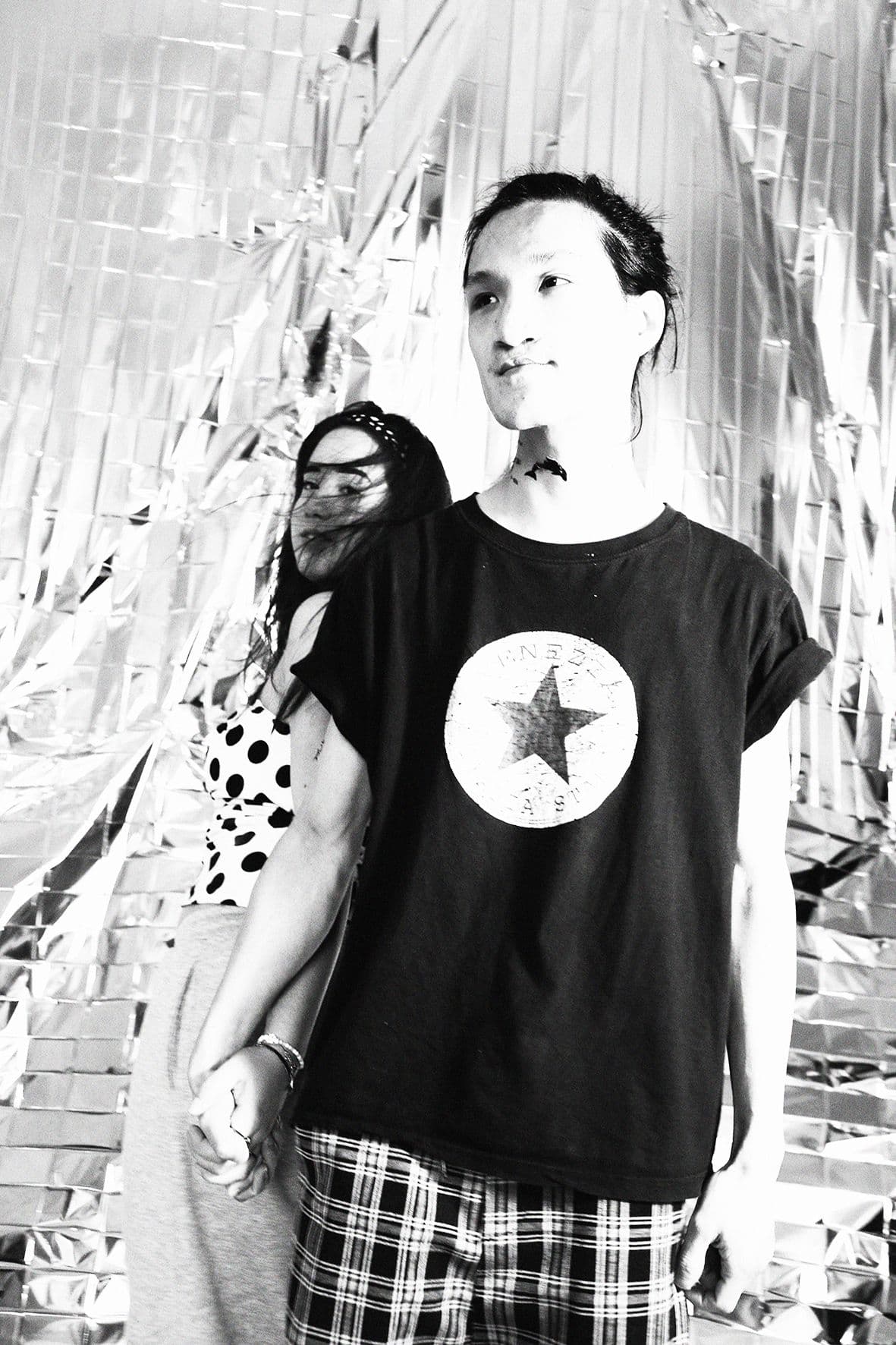
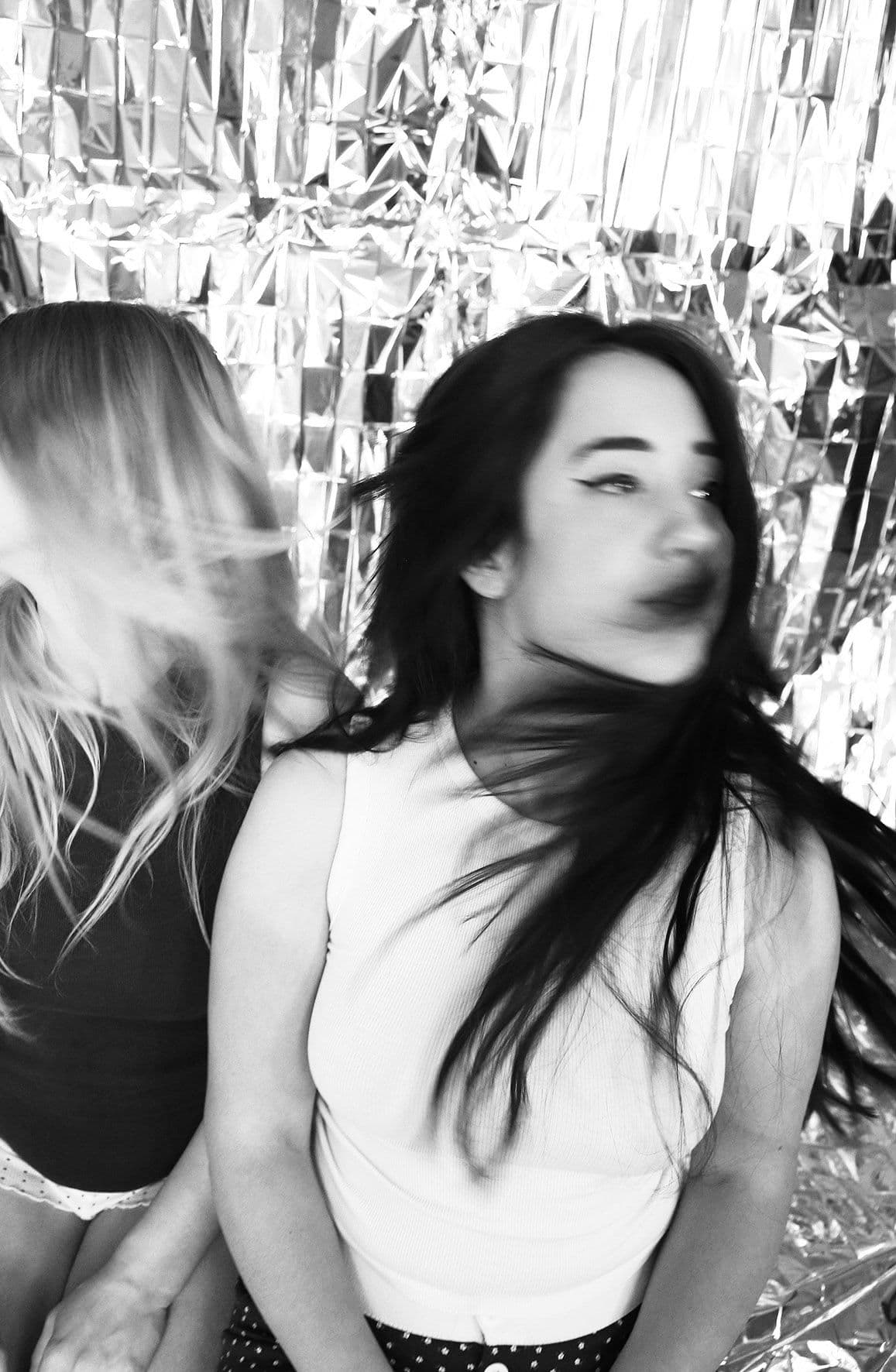
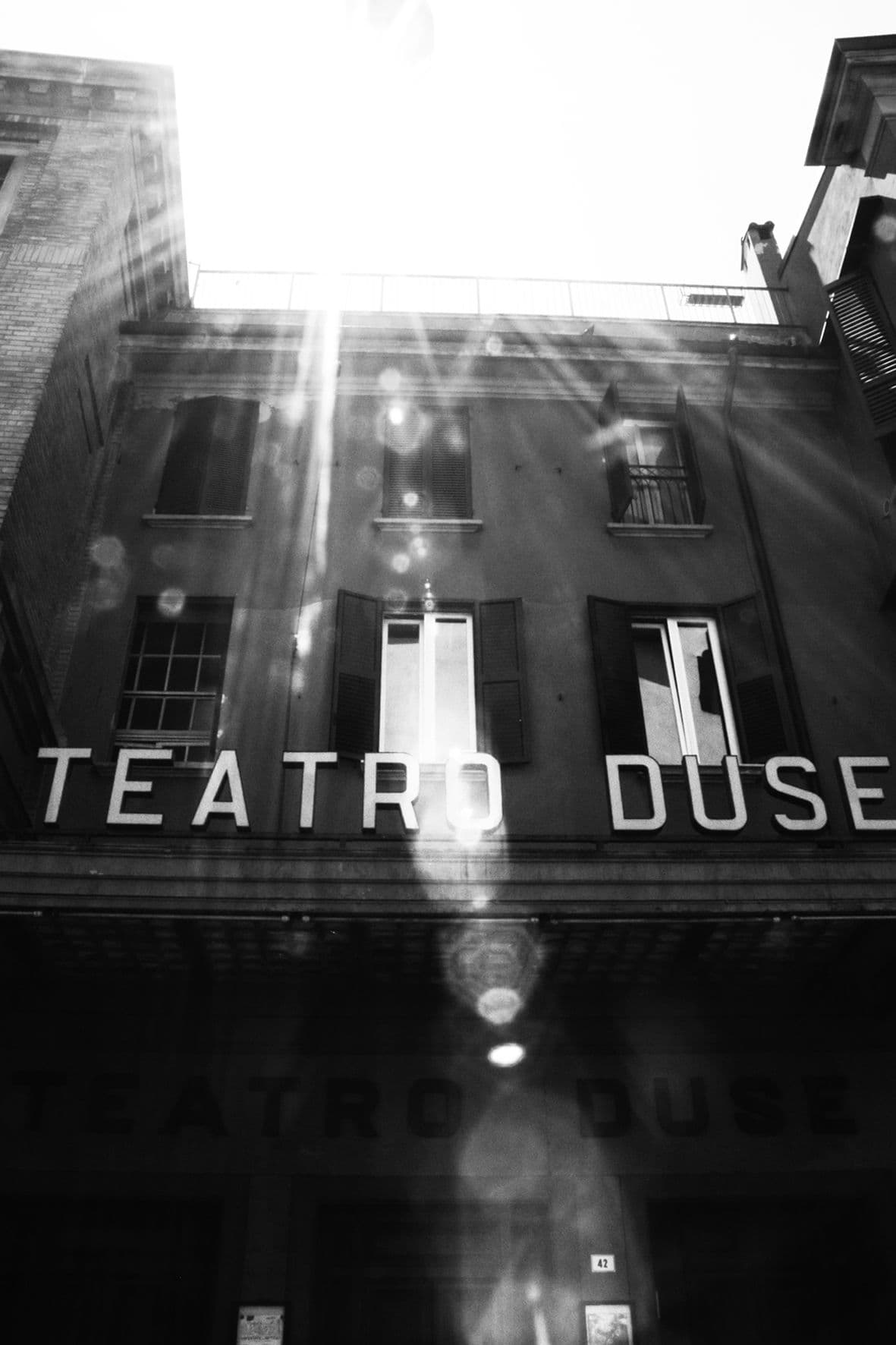
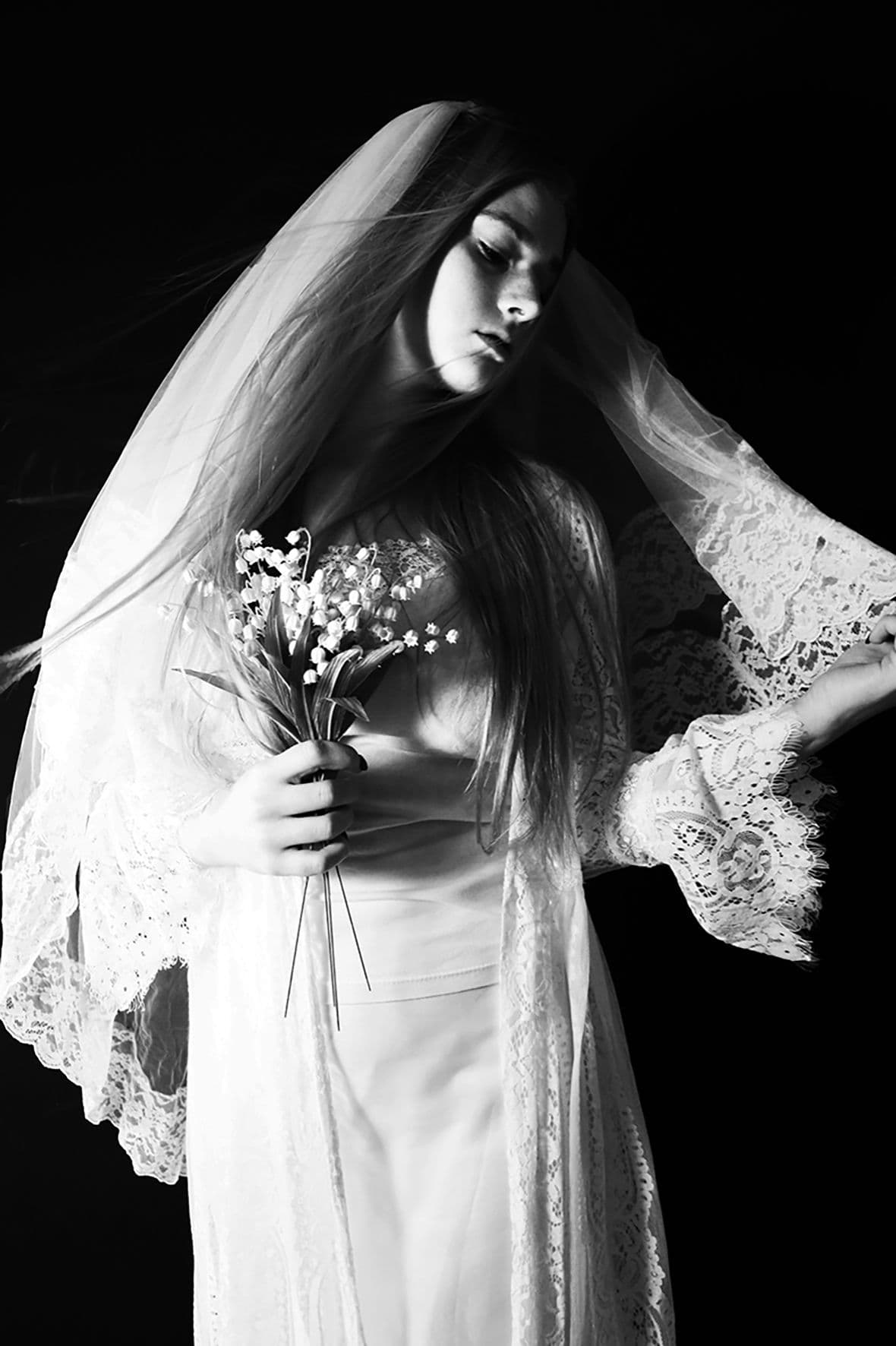
Her predominantly monochrome photographic work seeks to “silence the moment” and protect the fragility of what is constantly slipping away. For Lobel, the image becomes a means of expressing feelings and observations that words cannot fully hold. Her careful attention to light, fleeting shadows, suspended gestures and minute details lies at the heart of her visual language.
This sensibility invites viewers into a quiet, intimate form of contemplation, revealing the poetic and conceptual depth embedded in her dual investigation of the everyday.
Lobel’s methodology is anchored in a structural duality that defines the core of her work. She uses two mediums with opposing philosophies as critical tools: photography, her realm of control and temporal refuge, and screen printing, her space for exploring ambiguity, chaos and layered perception. This tension is key to understanding her practice.
Her use of monochrome in photography is a deliberate act of subtraction. By removing what she sees as visual “distraction,” the absence of colour heightens focus, directing the gaze toward texture, form, and the delicate interplay of shadow and light. Photography becomes a way to impose order, carve out a sanctuary, and ultimately still the moment.
On the opposite side of this controlled stillness, her screen printing practice embraces expressive disorder. Works such as Night Lzr, presented in Milan, are built on “chaotic layers” that question the relationship between physical space and the viewer’s perception of it. Through screen printing, she reconstructs reality into a superimposed and ambiguous interpretation, in direct contrast with the clarity of her photographic images.
The dialogue between photographic stillness and the layered complexity of screen printing mirrors the title of one of her exhibitions, Organising Chaos. Lobel does not merely document disorder; she investigates it through two opposing visual languages, revealing its hidden structure and intricate beauty.
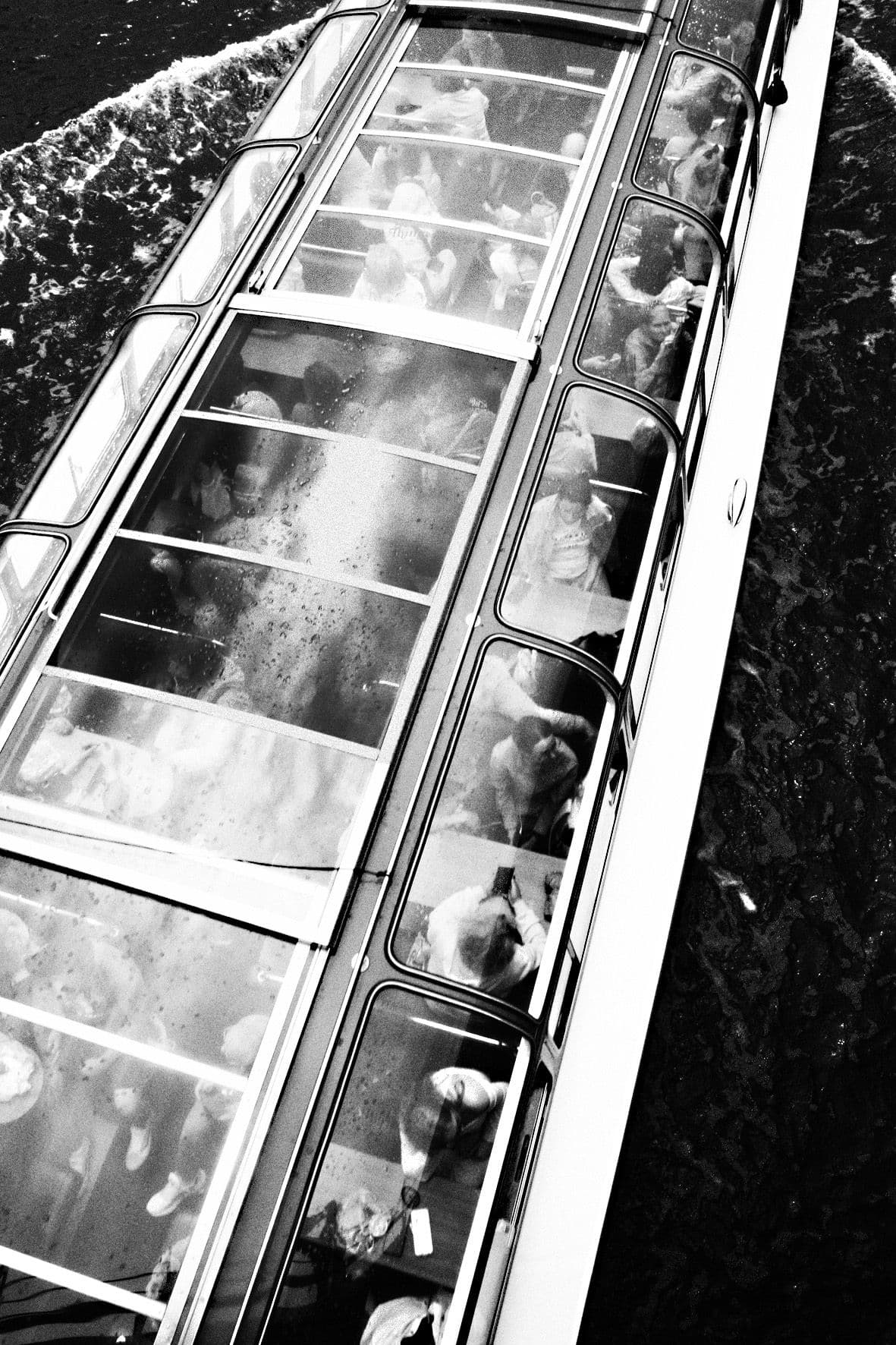
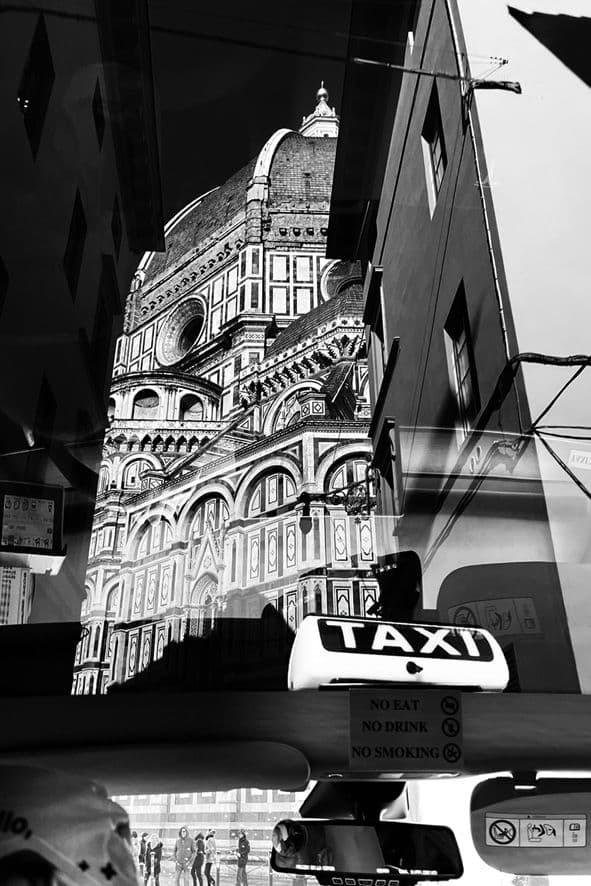
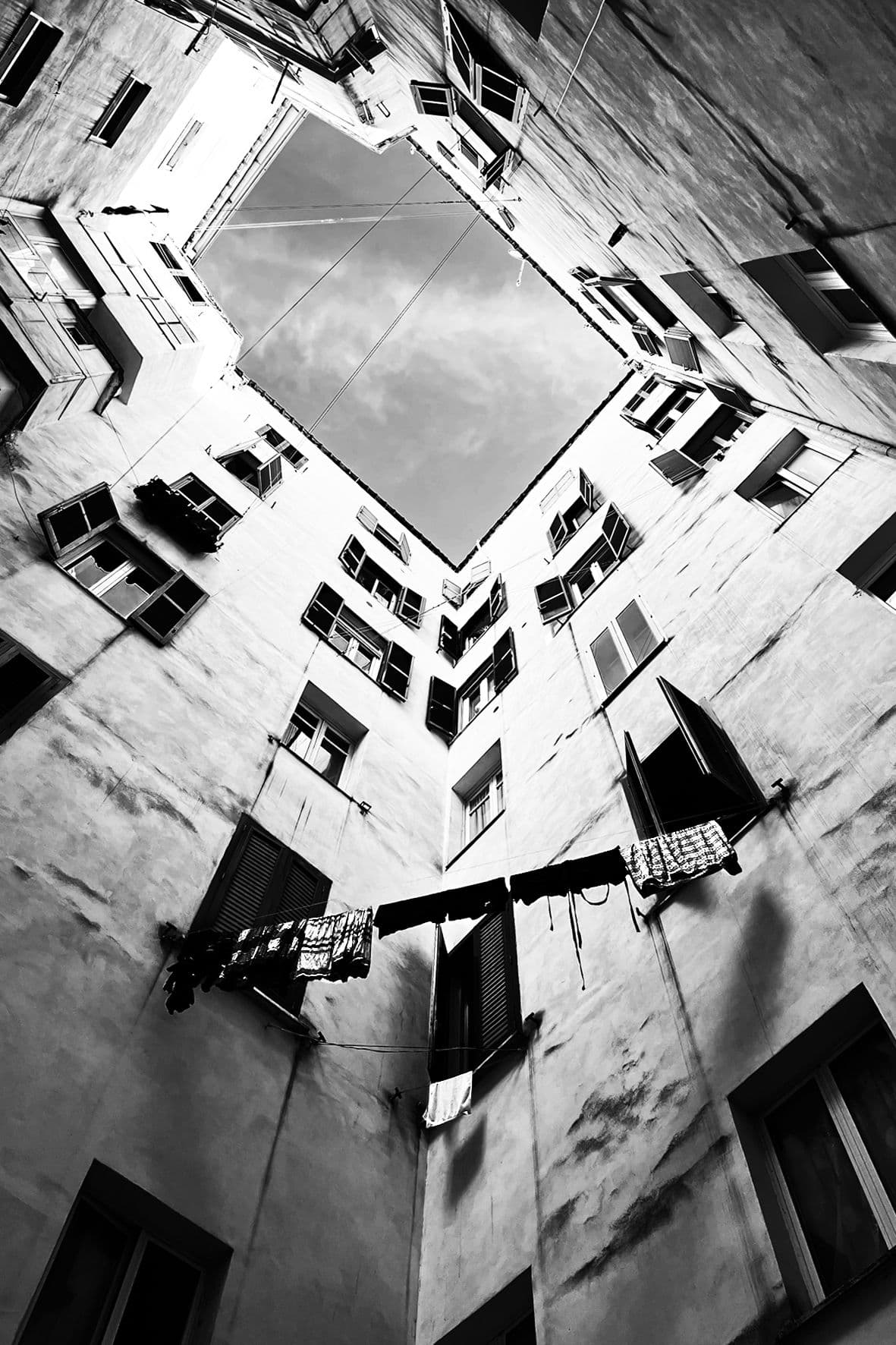
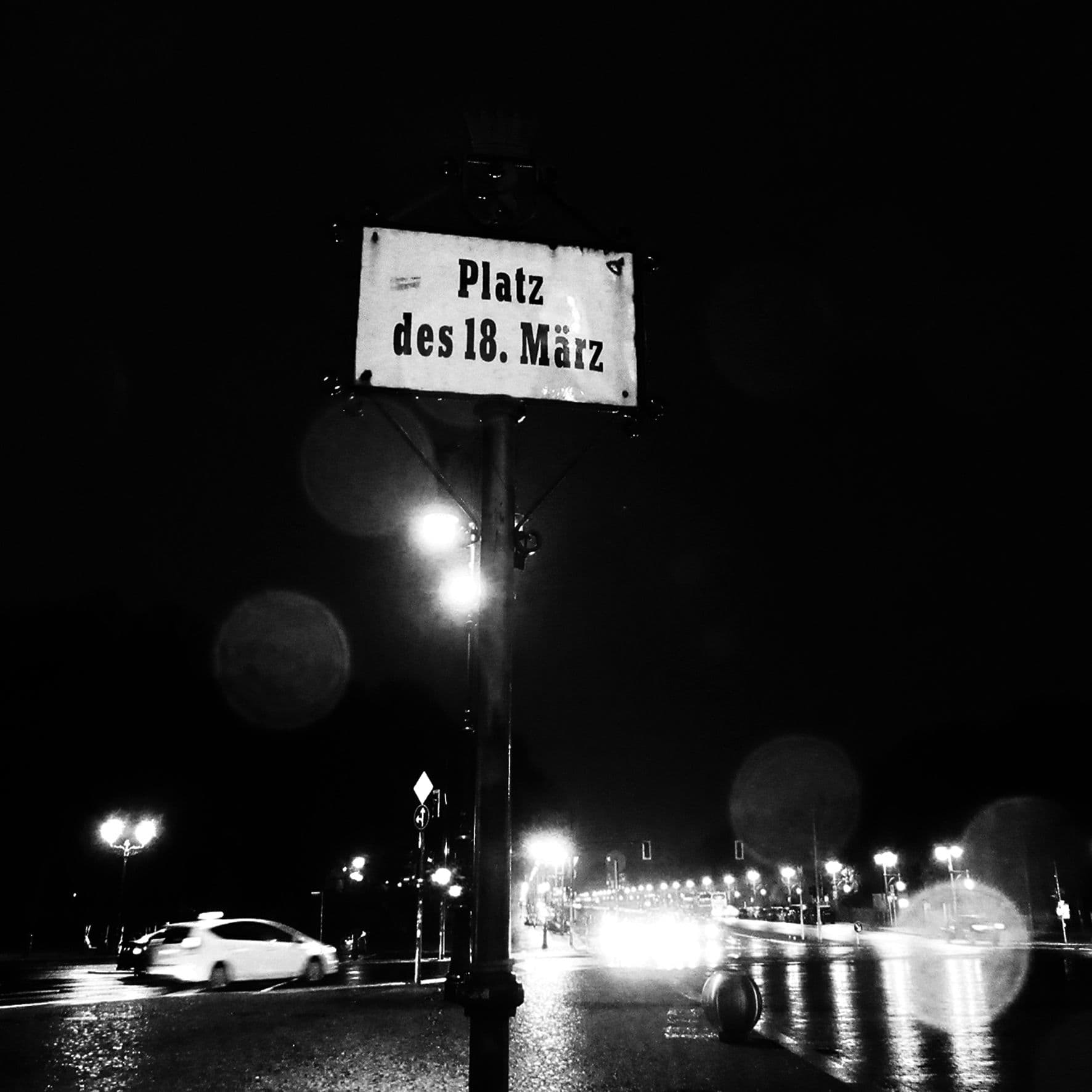
Her artistic philosophy takes shape in works that invite the viewer to slow down. Each piece offers a different way of observing the world, favouring atmosphere and suggestion over immediacy. Her practice spans recurring themes such as human emotion, movement, still life imagery, street photography and urban landscapes. Whether she captures the solitude of a figure or the geometry of a cityscape, her gaze is always guided by the pursuit of the “right moment.”
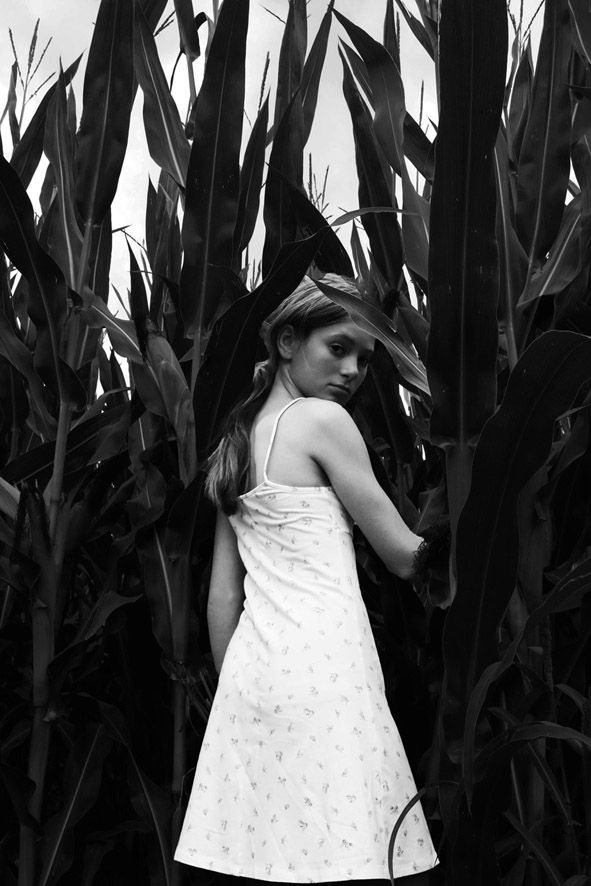
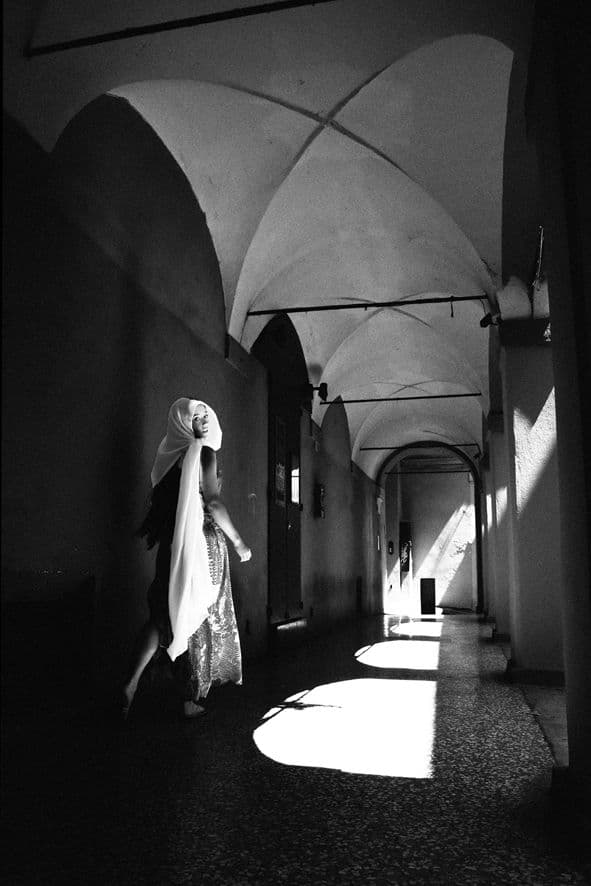
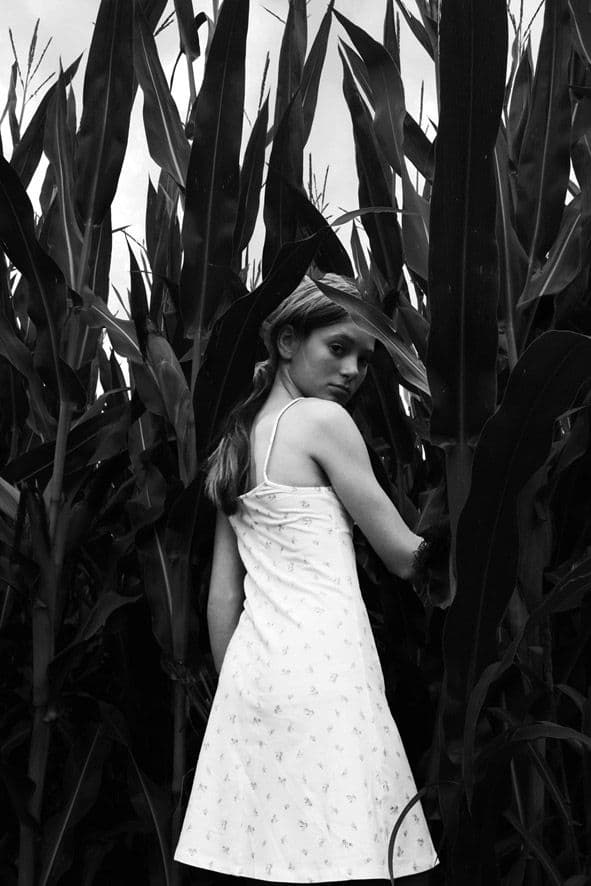
Last Summer (Nina)
A demonstration of her command of photographic control, reflecting on how “the sun shapes the shadows,” with natural light acting not merely as illumination but as a sculpting and protective force.
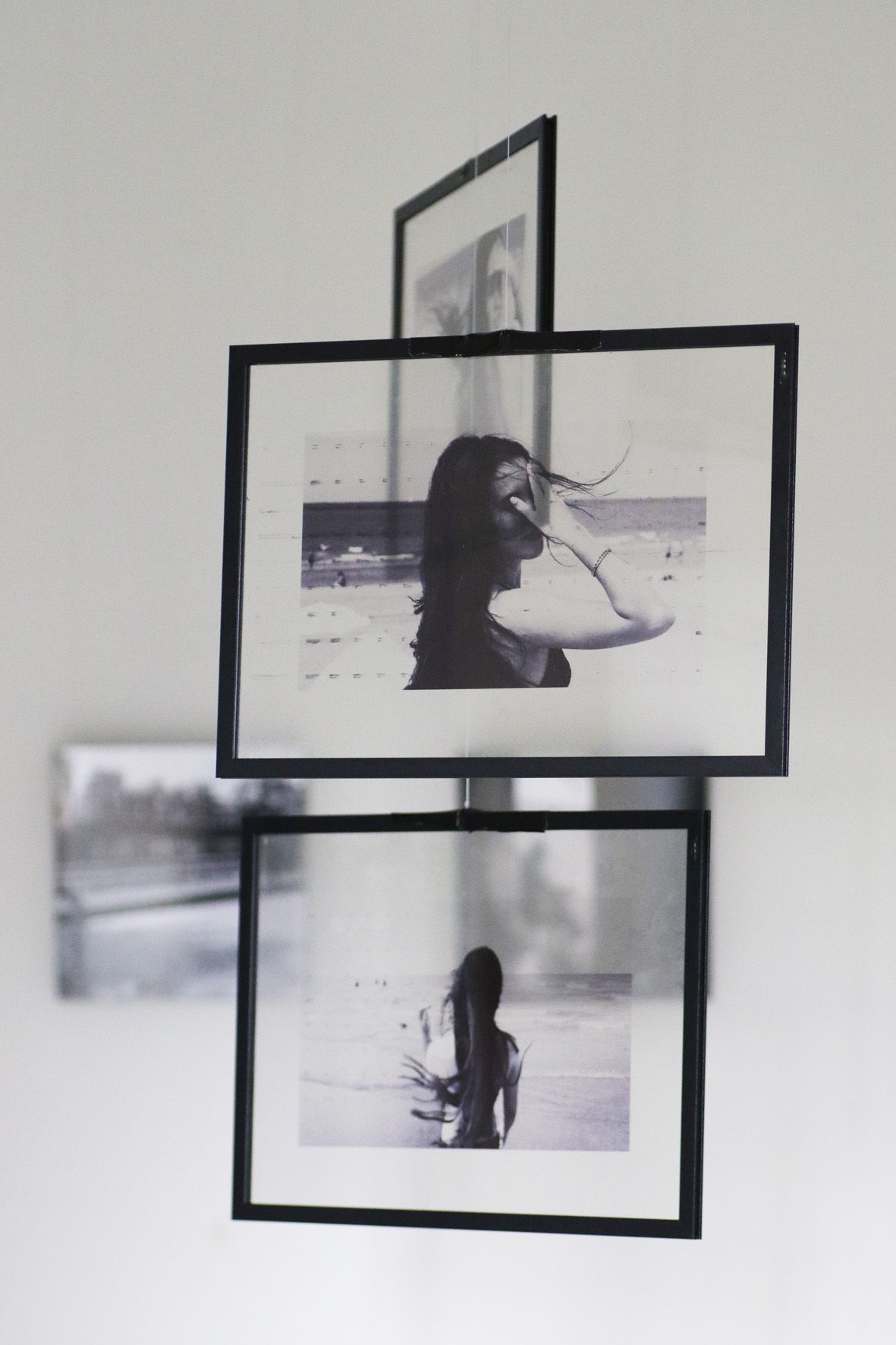
Breeze
A series in which photographs are transferred onto transparent films suspended in floating frames, making the images physically vulnerable “to the slightest breeze.” The ephemerality of the captured moment becomes materially present.
To fully appreciate her work, one must approach it slowly. Rather than searching for a single interpretation, Lobel invites viewers to share a moment of “joined attention,” created through unusual perspectives or tightly framed compositions. The beauty of her images lies in these quiet details, in their ability to transcend representation and speak to something universal.
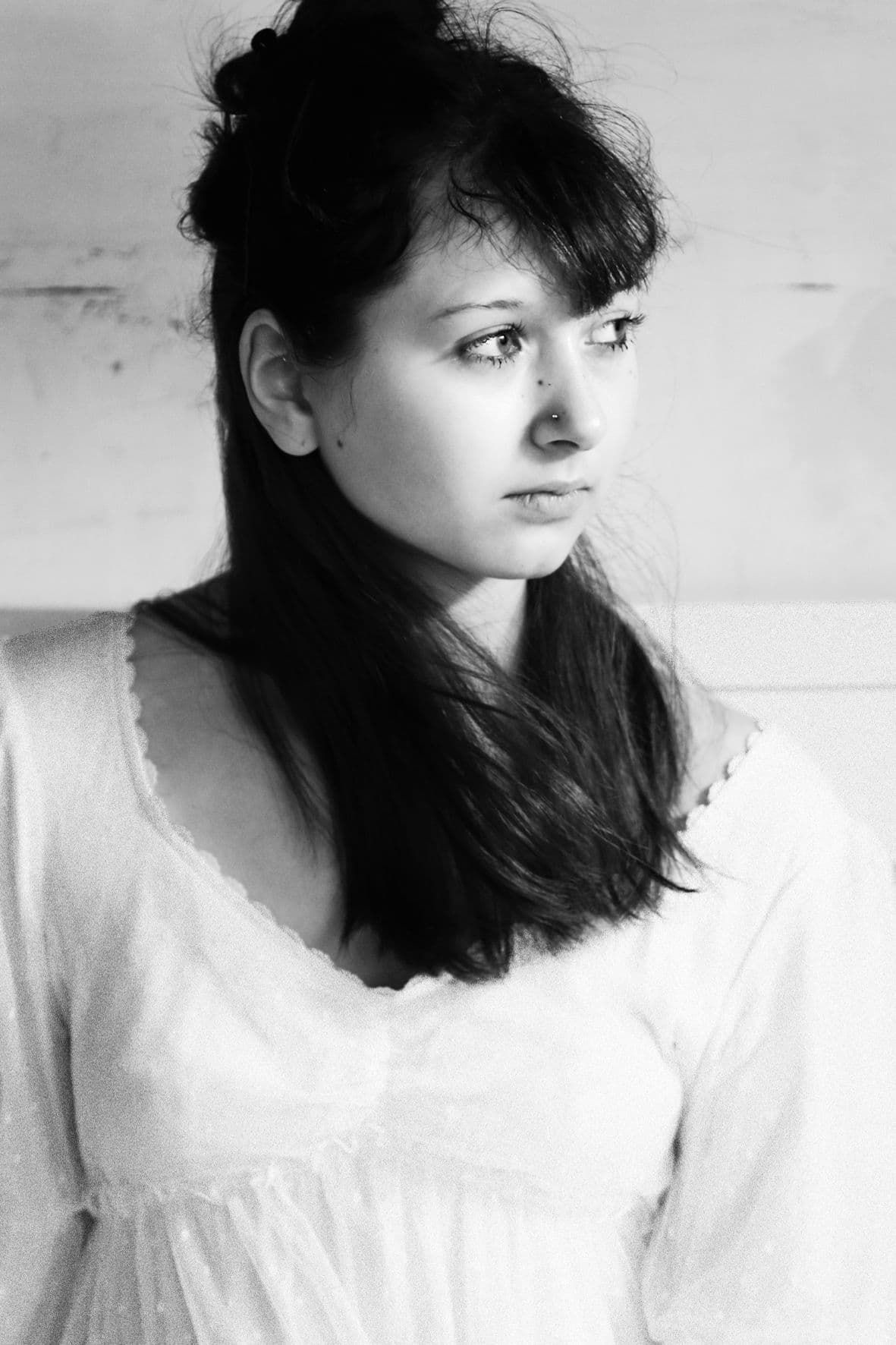
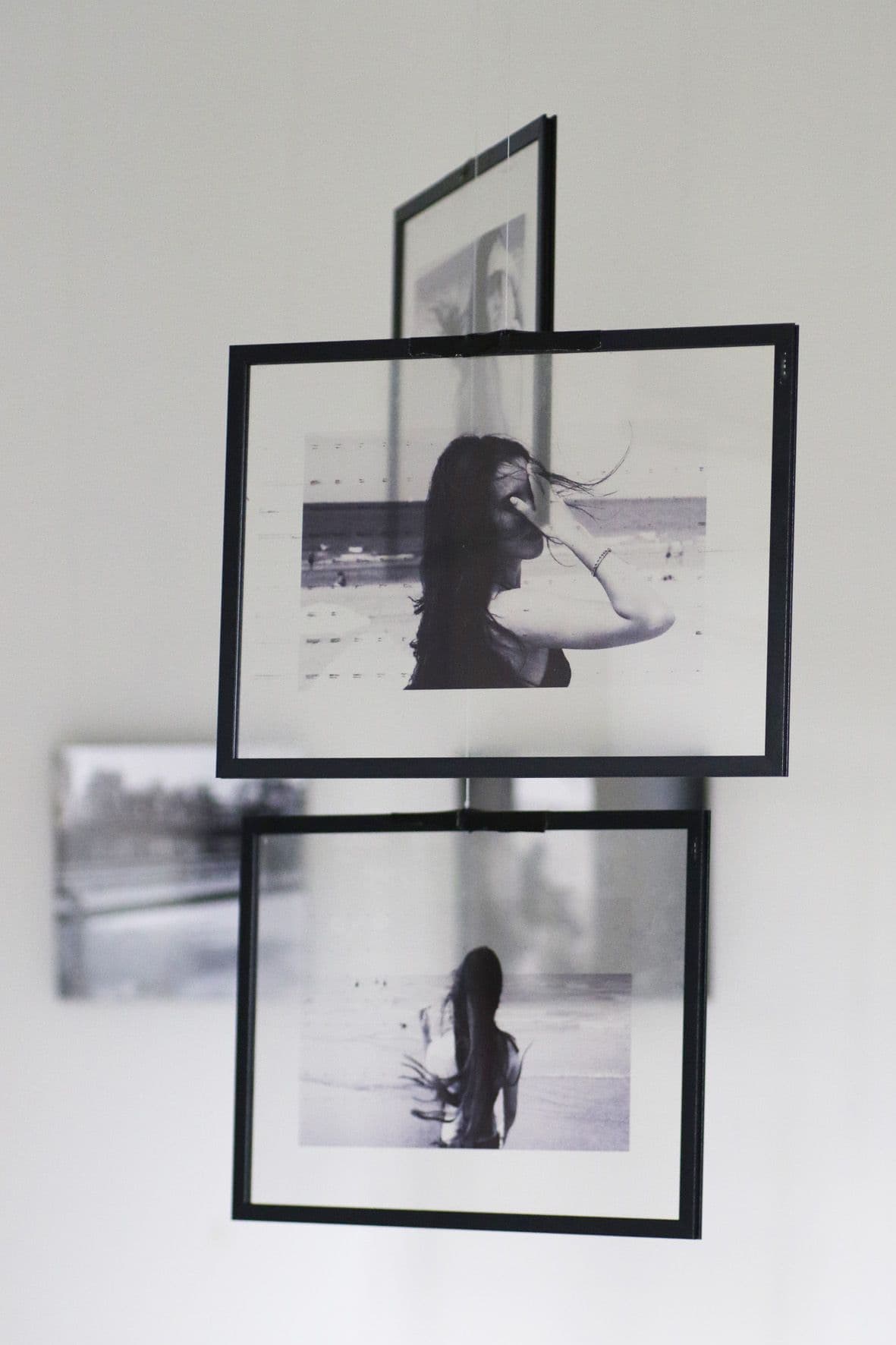
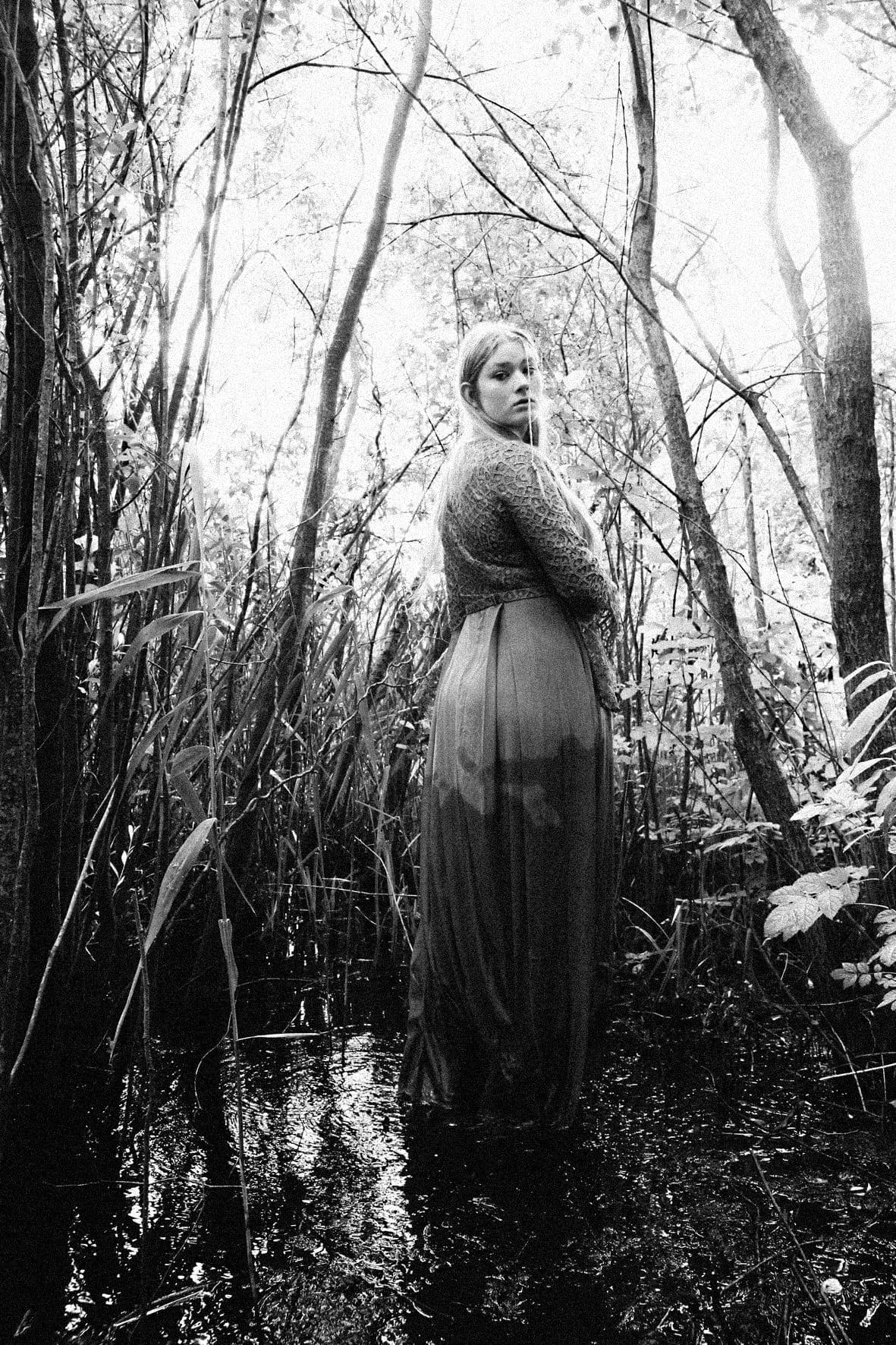
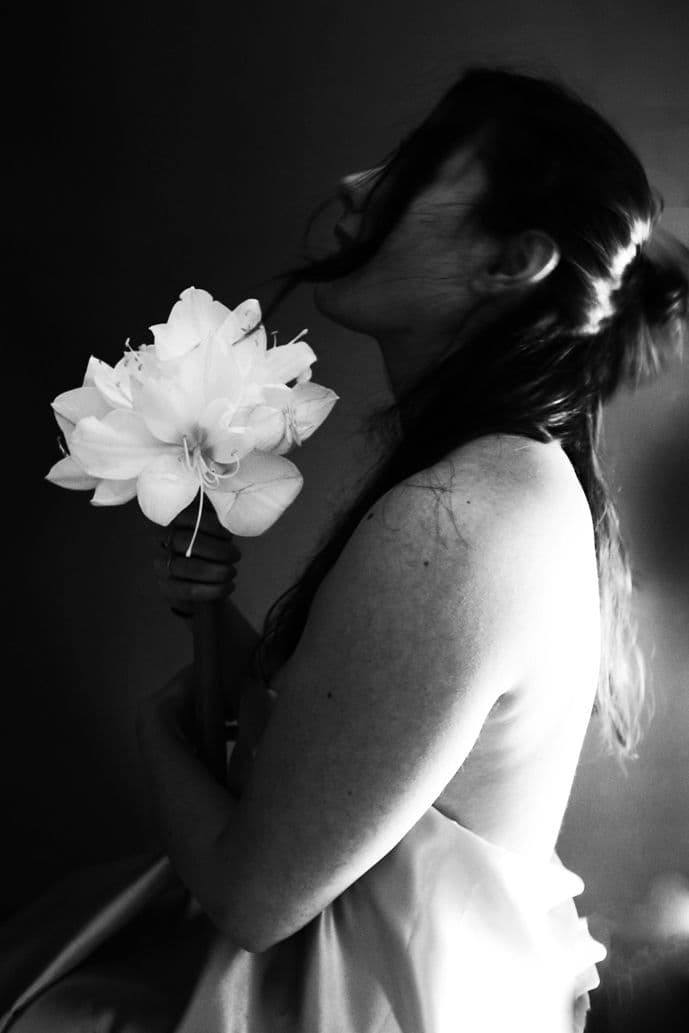
Breeze (3 dimensional)
Read next
Linda Koopman
Linda Christina Koopman’s photographic practice explores the landscape as a trace of human history and long-term transformation. Her images focus on subtle marks left by use, borders, and infrastructures, offering a quiet and attentive reading of territory.
Howard Harris
Howard Harris develops a perceptive and evolving photographic practice, in which the image transforms according to light, angle, and the viewer’s gaze. Situated between abstraction and reality, his work explores perception as a living experience.
Resident artists 2025–2026 — Espace Vision’Art
Espace Vision’Art gallery in Paris presents its current resident artists, bringing together photography, painting, digital art and hybrid visual practices exploring contemporary image-making.
Subscribe to our newsletter to be the first to discover our events, exhibitions, artists, and much more